3 min read

Business vs domestic energy: Why the difference matters

Business vs domestic energy: Why the difference matters
5:51

It's easy to assume energy contracts work the same way for businesses as they do for homecustomers.

If only it were that simple. Business energy deals work very differently to domestic setups. For starters, your business is not protected by Ofgem’s UK energy price cap. That exposes your business to risk.

Knowing the differences between business and domestic energy can help you understand what you're dealing with, how to compare suppliers more effectively and secure a contract that supports your business.

In this article:

  • Learn the main differences between business and domestic energy.
  • Understand how business energy contracts work - and why they’re not protected by the UK energy price cap.
  • Discover what the differences mean for your business.

Businesses are not protected by the UK energy price cap 

One of the most fundamental differences between business and domestic energy is that businesses are not protected by Ofgem’s UK energy price cap.

No two businesses are the same. Rolling out one standardised energy price cap would be tricky across a variety of sectors.

Ultimately, your business is expected to have more time, resource and incentive to shop around when it comes to signing new energy deals.

Our simple guide to business energy includes more information about suppliers and contracts types.

Businesses usually sign fixed-term contracts 

Businesses are far more likely to sign fixed-term contracts for their energy usage than domestic customers.

In 2023, an Ofgem study found over three quarters of businesses were on a fixed-rate deal for gas and more than two thirds were on a fixed rate for electricity.

As of May 2026, Ofgem found just 40% of domestic energy accounts were on fixed contracts.

Businesses typically enjoy the predictability and protection against price volatility offered by fixed deals to allow for budgeting and long-term planning.

Domestic users are already offered some protection thanks to the energy price cap.

  • Top tip: Power Purchase Agreements (PPAs) are long-term contracts that allow a business to buy electricity directly from a renewable energy generator, often at a fixed or predictable price.

Energy prices are tailored to each business 

Unlike domestic energy, where UK households use different amounts of energy but patterns of usage are predictable, there is no one-size-fits-all business energy tariff.

Your business energy use is more varied than domestic use. A small office, a bakery and a manufacturing site all use energy in completely different ways, which is why suppliers assess each business individually.

Comparing quotes is often far more important for businesses than it is for households.

Make sure you also check which business energy grants, tax relief and schemes you could be eligible for.

Businesses can negotiate energy contracts

Following on from the previous point, households are usually offered a standard price by suppliers. What you see is what you get. You sign up and away you go.

Your business may have greater scope to compare suppliers and find tariffs that suit your needs:

The larger your business, the greater the opportunity to negotiate. Suppliers want your business.

Businesses may pay more VAT

Domestic energy users are usually subjected to a reduced 5% VAT rate, but businesses generally pay the standard 20% rate.

Several categories of business may benefit from the reduced rate:

  • Low energy users (approx. less than 4,397kWh gas or 1,000kWh electricity).
  • Mixed-use premises (if at least 60% of the site is used for domestic purposes).
  • Charities (and not-for-profit organisations).
  • Residential (hospices, care homes, self-catering holiday lets).

Make sure you’re paying VAT at the correct rate.

Business energy contracts have renewal deadlines 

Domestic users have a contract end date when their tariff expires and they are moved onto a standard variable tariff until they sign up for a new contract.

However, business energy contracts tend to come with strict renewal deadlines and notice periods that require you to take action anywhere between 30 to 120 days before your deal ends.

You must negotiate a new contract with your current or a new supplier within this renewal window or you could be automatically enrolled on a new deal, often with higher rates.

What businesses should do before renewing an energy contract 

  1. Know how much energy you use: this gives you a baseline for comparing quotes.
  2. Know your usage patterns: you could benefit from time-of-use tariffs with different day/night rates.
  3. Know what you’re paying for: look beyond the headline kWh unit rate and check you’re paying the correct non-commodity costs, including VAT, other taxes and levies.
  4. Know the differences between fixed and flexible contracts: each comes with pros and cons.
  5. Know when your contract ends: don’t roll over onto out-of-contract rates which are usually far higher.

This article is part of our Business Energy Basics series. Now read...


How we can help

Business energy is complex. We get it. We can support you.

Troo exists to help businesses make sense of their energy needs. We simplify information and help you make smart decisions that manage costs and lead to real change.

We are not here to sell you a quick fix. We're here to understand what matters to you, offer clear advice, and take ownership of the hard parts, so energy becomes one less thing to worry about.

Book a free energy health check today for practical advice on business electricity, gas and water procurement, renewable consultancy and our ongoing management services.


Energy market update: What UK businesses need to know this week

Energy market update: What UK businesses need to know this week

Energy markets are riding a rollercoaster in 2026 - and your business is paying for it.
Read More
Which energy meter is right for your business?

Which energy meter is right for your business?

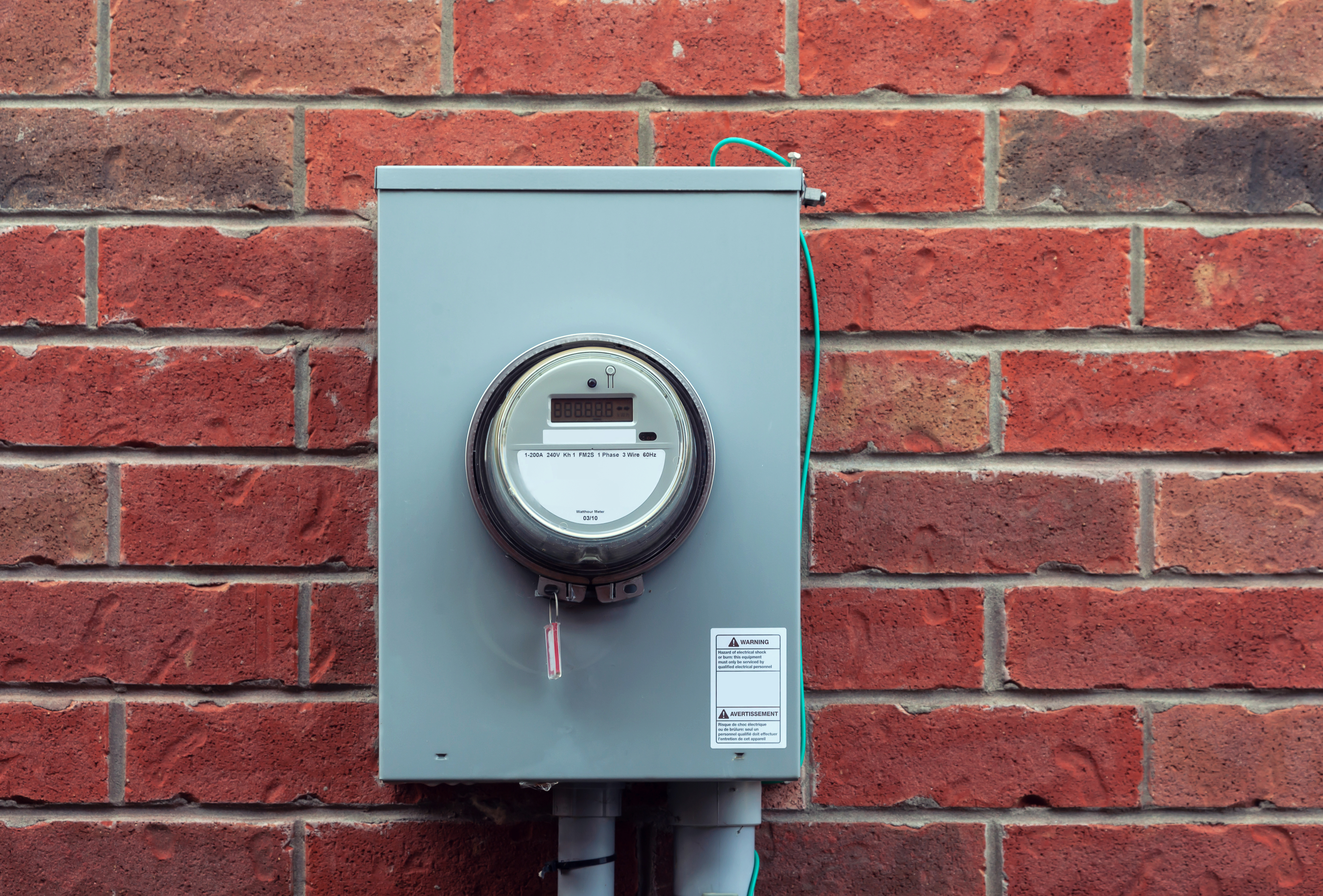
Every business relies on energy meters, but not every business has the same type.

Read More
Energy Market Update: August 2026

Energy Market Update: August 2026

Energy markets are highly volatile as we enter August, largely driven by geopolitical tensions in the Middle East.

Read More